How Slots Keep You Hooked: Near Miss, Fake Wins and Autoplay
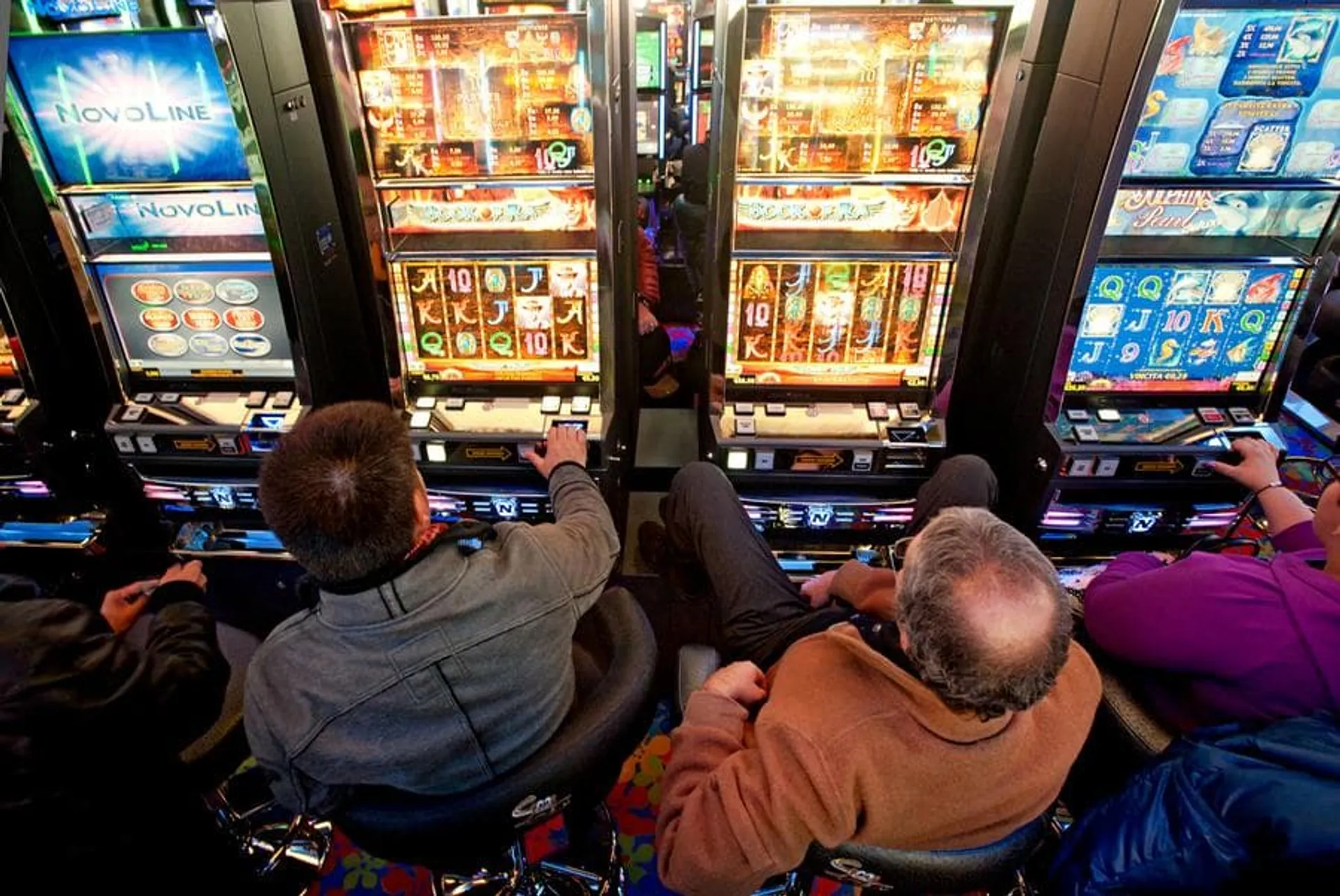
"Near misses", celebrations for wins below the stake, autoplay that removes the pause: the behavioural design built to extend the session. How to recognise and defuse it.
Gambling is only permitted for those aged 18 and over. Please gamble responsibly. All casinos mentioned in this article are regulated and licensed by ADM (formerly AAMS), the Italian authority that oversees and authorises legal online gambling in Italy. → Verify the licence on adm.gov.it
A slot is not just maths: it is also applied psychology. Every light, sound and animation is designed for one thing — to keep you on the next spin. It is not conspiracy: it is documented behavioural design. Knowing the mechanisms is the first defence, because a trap you can see has far less grip. Here are the main ones.
The slot is designed to keep you: "near misses", victory lights and sounds even when you lose, autoplay that removes the pause, celebrations for wins below your stake. It is not aesthetic chance: it is behavioural design studied to extend the session.
1. The Near Miss
Symbols stop one step from the jackpot: two of three, the third just above the line. Statistically it is a loss identical to any other — chance does not "come close" in any meaningful way. But the brain reads the near miss as progress, and reignites the urge to retry. It is one of gambling's most studied effects.
2. Losses Disguised as Wins
You stake €1, "win" €0.40, and the slot bursts into triumphant lights and sounds. You lost 60 cents, but the feeling is victory. This mismatch between real result and emotional feedback is deliberate: it makes losses feel better than losses, and keeps you at the machine.
3. Autoplay and the Vanishing Pause
| Element | Psychological effect |
|---|---|
| Autoplay | Removes the micro-pauses where you might stop |
| Turbo / fast spin | Speeds the pace, more spins per hour |
| Continuous win sounds | Constant positive feedback, even on losses |
| Frequent near misses | Perception of "so close" |
Behavioural-design mechanisms documented in gambling research. They do not change RTP, but they influence how much and how long you play.
Autoplay does not change the odds, but it removes the decision moments. Every pause is a chance to stop; removing them means more spins — and, at equal RTP, more expected loss over time.
Why Knowing Them Defuses the Trap
These mechanisms work best when invisible. The moment you recognise a near miss as a normal loss, or notice the slot celebrating while the balance drops, the emotional effect weakens. Awareness does not remove the design, but it reduces its grip.
How to Protect Yourself in Practice
- Disable autoplay and turbo: reintroduce the pause between spins.
- Remember: near miss = loss. It is not "almost": it is a lost round like the others.
- Watch the balance, not the lights: the emotional feedback lies, the number does not.
- Set time and spending limits: a barrier the design cannot get around.
Combine awareness with bankroll management: the combination that holds where emotion gives way.
Slot psychological design: FAQ
What is a "near miss"?
It is when winning symbols stop just above or below the winning line/grid. Statistically it is a loss like any other, but the brain perceives it as "so close", pushing you to retry. It is a well-known, studied effect.
Why does the slot celebrate even when I lose?
"Losses disguised as wins": you win less than you staked (e.g. €0.40 on €1), but lights and sounds celebrate like a win. The balance drops, but the feeling is positive. It is designed that way.
Does autoplay make me lose more?
It does not change RTP, but it removes the micro-pauses between spins — the moments you might stop. By speeding the pace, it increases the number of spins and thus expected loss over time.
Does knowing these mechanisms help?
Yes. Recognising the near miss, fake wins and the autoplay effect reduces their grip. Combined with limits and pauses, it is the most effective defence.
Responsible Gambling
Online gambling should be a form of entertainment, not a source of income. If you feel gambling is becoming a problem, free support resources are available:
- ADM — Responsible Gambling
- GiocoHelpline freephone: 800 558822 (free, 24/7)
- Every ADM casino offers self-exclusion tools, deposit limits and reality-check reminders of time played.