Bar Slots in the '80s: The First Machines in Italy — History and Technology
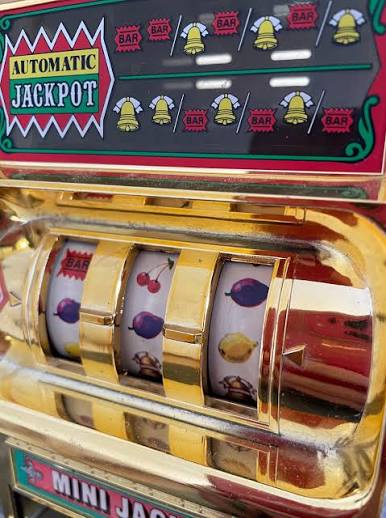
History of bar slot machines in 1980s Italy: electromechanical technology, US and German manufacturers (Bally, IGT, Merkur), fruit symbols and the pre-AAMS regulatory grey area.
Gambling is only permitted for those aged 18 and over. Please gamble responsibly. All casinos mentioned in this article are regulated and licensed by ADM (formerly AAMS), the Italian authority that oversees and authorises legal online gambling in Italy. → Verify the licence on adm.gov.it
The bar slot machines of the 1980s represent the starting point of a phenomenon that would change the way Italians played. A decade of technological transition — from mechanical to electronic — and of widespread diffusion in bars, arcades and tobacco shops across Italy.
The Context: 1980s Italy and Gambling
In the 1980s Italy already had a long tradition of legal public gambling: the state Lotto dated back to the 18th century, Sisal with football pools was born in 1946, Totocalcio was an institution. The novelty of electromechanical prize machines fit into this context, but with a fundamental difference: they were private, spread across public venues, and the regulation covering them was vague.
Arcades proliferated in Italian cities from the late 1970s. Alongside pinball and arcade video games (Space Invaders, Pac-Man) the first slot machines imported from abroad appeared.
1980s Technology
1980s slots went through a significant technological transition over the course of the decade:
Early 1980s: Pure electromechanics
- Physical reels: three reels spinning mechanically on an axle, driven by an electric motor
- Mechanical random generator: rotating disc with holes in random positions — the stopping position determines the outcome
- 7-segment display: to show credits and wins (red LED, often with green or orange digits)
- Coin/token acceptor: mechanical, verifying coin weight and diameter
- Win dispenser: mechanical tray system with counting sensor
Late 1980s: Electronics come into play
- The first microprocessors (Z80, 6502) replaced mechanical logic for game control
- The software RNG — digital random number generator — began replacing the rotating disc
- The first color CRT screens appeared to display the reels (physical reels remained, but simulated ones began to appear alongside)
- Digital sounds (music chips) replaced the mechanical bells
The Main Manufacturers of the 1980s
| Manufacturer | Origin | Known for |
|---|---|---|
| Bally Technologies | USA | Mechanical and early electromechanical machines, classic fruit symbols |
| IGT (International Game Technology) | USA | First slot with microprocessor RNG (Fortune Coin, 1976), widespread in 1980s Europe |
| Merkur / Gauselmann | Germany | High build quality, extremely widespread in Italy and Europe |
| Bally Wulff | Germany | Classic "fruit machine" models, very common in Italian arcades |
| Novomatic | Austria | Founded in 1980, rapid expansion in the European market — the simpler models reached Italy in the late 1980s |
Significant Italian production in the 1980s was almost absent — it would develop in the 1990s with HBM, Beltra, Amusement.
What 1980s Slots Physically Looked Like
A typical 1980s machine was a vertical cabinet in painted metal (often red, green or blue) with:
- Height about 150-170 cm, width 50-60 cm, depth 50 cm
- Considerable weight: 80-120 kg (the structure was steel, not plastic)
- Display window: tempered glass with the three reels visible
- Side lever ("the arm"): the classic lever that starts the reels, present in some models but not all — many already had a play button
- Metal coin/token collection tray
- Nameplate with the paytable: laminated, often in Italian and English
Where They Were Found
In the 1980s the machines were found mainly in:
- Arcades: the main location, often with dozens of machines
- Bars and cafés: one or two machines alongside pinball and video games
- Tobacco shops: some specific models in reduced spaces
- Bowling alleys and recreational clubs: often without any age verification of players
There were no controls on minors' access — one of the gaps that subsequent regulation would try to close.
The Classic Symbols: Why Fruits and Bells?
The iconic slot symbols — cherries, lemons, oranges, bells, BAR — have their origins in 19th-century America. Charles Fey's Bell Machine (1899) used playing cards. In later versions the fruit symbols represented the flavor of the chewing gum given as a prize (the fruit slots of US drugstores, 1910s-1920s). The BAR symbol derived from the logo of the Bell-Fruit Gum Company.
These symbols were already universally standardized when the machines arrived in Italy in the 1970s-1980s, and they remained unchanged for decades.
Frequently Asked Questions
How did 1980s slots work technically?
What were the "tokens" in bar slots?
Did 1980s slots have different symbols from modern ones?
How much did plays cost in 1980s slots?
Responsible Gambling
Online gambling should be a form of entertainment, not a source of income. If you feel gambling is becoming a problem, free support resources are available:
- ADM — Responsible Gambling
- GiocoHelpline freephone: 800 558822 (free, 24/7)
- Every ADM casino offers self-exclusion tools, deposit limits and reality-check reminders of time played.